Factory New Ammo Explained: What It Means, Why It Matters, and How to Buy It Right
Ever wonder why factory new ammo feels like the gold standard for shooters? It’s exactly what the name says—fresh rounds loaded by a manufacturer under strict quality control, meaning every cartridge is consistent in powder charge, bullet seating, and primer seating right out of the box. That uniformity translates to tighter groups and fewer malfunctions, so you can spend more time aiming and less time troubleshooting. Just load it, fire it, and trust the reliable performance—no need to hand-roll your own stash unless you really want the hobby.
What Exactly Sets Freshly Manufactured Cartridges Apart?
Freshly manufactured cartridges, or factory new ammo, are set apart by their consistent internal ballistics, achieved through precise powder charges and uniform primer seating. Unlike reloads, factory new ammo features virgin brass with no prior fire-forming, ensuring optimal case wall thickness and neck tension for reliable chambering. Each round benefits from sealed primers and crimped projectiles, protecting against moisture and setback during feeding. The most critical distinction is the absence of work-hardened brass, which maintains uniform expansion and extraction pressure across every shot. This results in tighter shot groups and predictable velocity, especially in semi-automatic or precision rifles. Freshly manufactured cartridges also undergo strict quality control for case length and headspace, eliminating the variability common in once-fired or remanufactured ammunition.
Key Differences Between First-Run Loads and Surplus or Remanufactured Rounds
First-run loads come straight from the factory with virgin brass, fresh primers, and precisely metered powder, giving you consistent velocity and pressure from box to box. Surplus rounds, by contrast, often have unknown storage histories, corroded cases, or hardened primers that can cause light strikes or erratic ignition. Remanufactured ammo uses once-fired brass that’s been resized and reloaded, which saves money but introduces variables like case thinning or inconsistent bullet seating depth. For reliable performance in defensive or competition use, factory-new ammunition wins because it undergoes rigorous quality control, while surplus or remanufactured rounds are better suited for plinking where occasional malfunctions are acceptable. Headspace and neck tension also differ—new cases hold bullets tighter, reducing setback.
Why Consistent Primer Seating and Case Dimensions Matter for Accuracy
In factory new ammo, consistent primer seating depth and uniform case dimensions directly eliminate variables that cause vertical stringing and erratic pressure spikes. A primer seated too deep can delay ignition, while one standing proud risks slam-fire or uneven powder burn; either shifts your point of impact unpredictably. Likewise, factory cases are trimmed and resized to precise headspace and neck tension, ensuring the bullet releases with identical force each shot. This uniformity means Ammo Cans & Storage for Sale your rifle’s harmonics stay stable, translating to tighter groups. Handloaders often chase this parity, but factory ammo achieves it through automated tolerances, giving you repeatable accuracy straight from the box.
- Uniform primer depth promotes consistent ignition timing, reducing shot-to-shot velocity spread.
- Matching case lengths prevent inconsistent bullet grip, avoiding pressure variations.
- Precise headspace keeps the case shoulder aligned, improving bolt lock-up consistency.
- Identical neck tension ensures uniform bullet release, minimizing group fliers.
Understanding the Role of Virgin Brass in Reliable Extraction
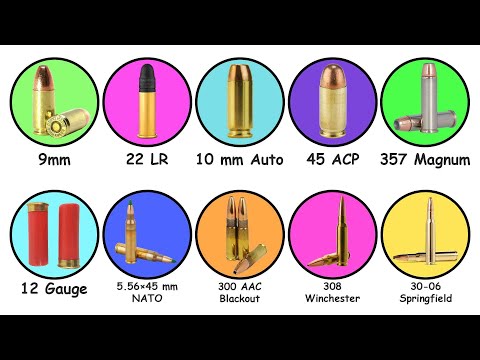
Understanding the role of virgin brass in reliable extraction starts with its structural memory. Unlike reused cases that have been stretched and re-formed, virgin brass retains precise dimensions, ensuring the case head expands evenly against the chamber wall. This uniform radial pressure creates a strong but temporary seal, then springs back instantly after peak pressure drops. That snap-back is what prevents stuck cases. Moreover, factory-fresh metal lacks the work-hardening fractures or carbon fouling that mar secondhand casings, so it slides out of the extractor groove without hesitation. Virgin brass’s consistent elasticity directly dictates extraction reliability, as each new cartridge performs from a flawless baseline. The result is smoother cycling, fewer jammed rounds, and predictable bolt manipulation in every firearm.
How to Verify You Are Getting Truly Unfired Ammunition
You hold the box, its seal unbroken, but your hands still hesitate. To verify you’re getting truly unfired ammo, start by inspecting the primer—a factory-new round has a smooth, unmarked primer pocket, while a fired case shows a distinct firing pin indentation. Run your thumb across the case mouth; unfired brass feels crisp and even, not rolled or crimped from a previous reload. Check the headstamp for consistent stamping and the packaging’s tamper-evident glue—if the box’s flap lifts without resistance, suspect repackaging. Finally, weigh a round against a known factory sample; an unfired cartridge’s powder charge and bullet seating depth remain uniform, so any variance in weight or wobble when rolled on a flat surface signals a hand-me-down. Trust the tactile details, not just the label.
Inspecting Case Headstamps and Primer Crimp Styles for Authenticity
When you’re checking for factory new ammo, the headstamp on the case base is your first clue—it should be crisp, perfectly centered, and match the brand on the box, with no re-stamping marks or double strikes. A truly unfired round will show a factory-applied primer that’s either flat and flush or, on military or certain commercial loads, have a distinct **primer crimp style**—like a staked ring or three or four punch marks—that’s uniform and untouched. If the crimp looks gouged, uneven, or missing where it shouldn’t be, that’s a red flag for a reloaded or fired case. Run your thumb over the primer; smooth and consistent means it hasn’t been reseated. Trust the small details—they never fake authenticity well.

Physical Signs of Fresh Stock: Tarnish-Free Cases and Sealed Primers
To confirm truly unfired ammunition from fresh factory stock, examine the brass for a mirror-like luster, free from any dulling, verdigris, or fingerprint-etched oxidation. Tarnish indicates prolonged storage or humidity exposure, which suggests the rounds are not from a recent production run. Next, visually inspect the primer pocket; a factory-sealed primer is flush with the case head, showing a pristine, uniform crimp or sealant—typically a distinct lacquer ring. If the primer shows a central indentation (firing pin strike) or disturbed sealant, it’s been cycled. Check for consistent sealant coverage around the entire primer circumference. For .17 HMR Ammo for Sale fresh stock: (1) rotate the case under light to spot any rainbow sheen—absence confirms clean alloy; (2) run a fingertip across the primer—it should feel flush and smooth, not recessed or proud; (3) verify the case mouth retains its factory chamfer with no residual crimp or annealing discoloration.
Reading the Packaging Dates and Lot Numbers for Maximum Freshness
To maximize freshness, always decode the ammunition lot number and manufacture date printed on the box or case flap. A recent Julian date (e.g., “3234” 7.62×39 Ammo for Sale meaning day 323 of 2024) confirms the propellant and primer compounds haven’t degraded from age. Cross-check the lot number against the manufacturer’s recall list; a fresh lot with a known defect isn’t fresh at all. Buy from retailers who rotate stock, and reject boxes with faded, smeared, or re-stickered labels—those indicate repackaging or older inventory. For truly unfired factory new ammo, the packaging date and lot must align with the current production cycle, not warehouse leftovers.
Check the Julian date and lot code on every box; a recent manufacture date plus a clean, unaltered label is your only guarantee of maximum freshness in unfired ammunition.
Matching Brand-New Loads to Your Firearm’s Specific Needs

When matching brand-new loads to your firearm’s specific needs, start by verifying the factory new ammo’s bullet weight and profile against your barrel’s twist rate—a 1:7 twist may stabilize 77-grain projectiles, while a 1:12 will favor lighter 55-grain rounds. Check the cartridge overall length against your chamber’s throat: new production ammo is often loaded to SAAMI specs, but a tight match chamber may require shorter, handload-like factory loads (e.g., Hornady’s 75-grain TAP) to avoid pressure spikes. Evaluate the powder burn rate indirectly via muzzle velocity—fast, light loads cycle short-stroke pistols reliably, while slow, heavy loads reduce felt recoil in gas guns. Always fire a five-round group from a rested sandbag at 100 yards to confirm the new lot’s zero matches your optic’s point of aim. A quick Q&A: *Should you trust factory new ammo’s listed velocity for your rifle?* No—test at least 20 rounds across your actual barrel length, since a 16-inch versus 20-inch barrel shifts impact by 2–4 inches at range.
Selecting Bullet Weight and Profile for Your Barrel Twist Rate

When picking factory new ammo, your barrel’s twist rate decides which bullet weight and profile will stabilize properly. A faster twist (like 1:7) handles heavier, longer projectiles, while slower twists (1:12) prefer lighter, shorter bullets for best accuracy. Check your barrel’s stamped twist rate, then match it 5.56 Ammo for Sale to the bullet’s length—not just weight—because a profile mismatch leads to keyholing or poor groups. For example, a sleek, boat-tail bullet may need more spin than a flat-base of the same weight. Test a few factory loads; your rifle will tell you what it likes, so trust the stability sweet spot over marketing hype.
Match bullet weight and profile to your barrel’s twist rate—verify the rate, compare lengths, and test factory loads to find the stable, accurate combo your rifle prefers.
Choosing Between Full Metal Jacket, Hollow Point, and Soft Point for the Task
For factory-new ammunition, the bullet’s jacket profile dictates terminal performance, so match it to the task. Choosing between FMJ, hollow point, and soft point hinges on target type and desired effect. Full metal jacket offers deep, barrier-penetrating ballistics ideal for practice or competition where over-penetration is a secondary concern. Hollow points expand rapidly upon impact, making them the default for defensive loads where stopping power in soft tissue is paramount. Soft points bridge the gap, providing controlled expansion for hunting medium game without the violent fragmentation of a hollow point. Select FMJ for training economy, hollow points for personal protection, and soft points for ethical harvests.
- FMJ: Choose for range drills and target shooting where predictable penetration matters.
- Hollow Point: Choose for concealed carry or home defense to minimize pass-through risk.
- Soft Point: Choose for hunting to ensure reliable expansion across varied shot angles.
Understanding Velocity and Pressure Ratings Across Different Barrel Lengths
Factory-new ammunition is pressure-tested in a standardized universal test barrel, but your firearm’s barrel length shifts real-world ballistics dramatically. A shorter barrel (under 16 inches) vents propellant gas earlier, reducing velocity while slightly lowering peak pressure—yet this same drop can alter bullet expansion thresholds. Conversely, longer barrels (20+ inches) sustain pressure longer, boosting speed, but may push soft-point or specialty sports & supply hollow-point loads past their optimal fragmentation window. Always cross-reference the box’s velocity rating against your specific barrel, then check the manufacturer’s pressure data for over-pressure signs like flattened primers or hard extraction. Do not assume a load’s advertised muzzle energy applies to your rifle or handgun.
- Velocity drops roughly 25–50 fps per inch removed, depending on cartridge size.
- Pressure ratings from SAAMI apply to test barrels, not your actual barrel dimensions.
- Always verify that a shorter barrel still meets the bullet’s minimum expansion velocity.
Storage and Handling Practices That Extend Shelf Life and Performance
Factory new ammo leaves the box sealed, but its true lifespan begins with your first touch. I’ve seen rounds fire flawlessly a decade later when shooters followed one rule—**stable temperature** above all. Keep the cardboard boxes off cold concrete floors; moisture wicks up and attacks primers. Instead, store them in a dry cabinet at 60–70°F, and always rotate your stock so older lots get used first. Handling matters just as much: oily fingers transfer salts that corrode brass, so wipe down boxes and wear gloves during bulk loading. Avoid airtight vacuum sealing unless you add desiccant packs, because trapped humidity condenses on the metal. For **long-term performance**, lay boxes flat, never on their side, to prevent powder shift. Finally, open factory ammo only when ready to shoot—the sealed seal is your best defense against oxidation. This habit turned ordinary cartridges into match-grade reliability.
Ideal Temperature and Humidity Ranges for Preserving Propellant Integrity
To keep factory-new ammo shooting at its best, treat your stash like fine chocolate: steady and cool. For preserving propellant integrity, aim for a stable temperature between 55°F and 75°F—avoid hot attics or freezing garages. Humidity is the bigger beast; keep it between 30% and 50% relative humidity to stop moisture from degrading powder. Swings are the enemy, so pick a spot with minimal daily fluctuation. Temperature above 90°F can speed up powder breakdown, while humidity over 60% risks corrosion and damp propellant.
- Store at 55–75°F for consistent burn rates.
- Keep humidity at 30–50% to avoid powder clumping.
- Never let temps exceed 7.62x54R Ammo for Sale 100°F, even briefly.
- Use a hygrometer in your ammo cabinet to monitor changes.

Using Ammo Cans with Desiccant vs. Original Factory Boxes for Long-Term Storage
For factory new ammunition, original factory boxes offer decent short-term protection but are not designed for long-term moisture control. Factory boxes are porous and break down over time, allowing humidity fluctuations to reach primers and powder. Ammo cans 5.7x28mm Ammo for Sale with desiccant create a sealed, stable microclimate, which is superior for extended storage. Transfer factory new rounds directly into metal or heavy-duty polymer cans, adding a rechargeable silica gel desiccant pack. The key is verifying the can’s rubber gasket and monitoring desiccant saturation every six months. While factory boxes are fine for rotation or transport, they cannot match the airtight, low-humidity environment of a properly sealed ammo can.
How to Rotate Your Stock Without Firing Old Rounds First
To rotate your stock without firing old rounds first, adopt a **strict last-in, first-out (LIFO) inventory system** at the physical storage level. When new factory ammo arrives, place it behind existing boxes on the shelf, pushing older cartons to the front for immediate use. Alternatively, use a date-tag system: write the purchase month on each case, then periodically shift older boxes to a “shoot-now” container, leaving the newer sealed cases untouched. Never break the seal on fresh batches solely to test-fire; instead, verify function with a few older rounds already designated for range use. If you must clear a backlog of old stock without shooting, donate or trade it—but never mix batches in a magazine.
Rotate by repositioning boxes and tagging dates, not by firing old rounds—keep new ammo sealed until older stock is depleted.
Getting the Best Accuracy From Your New Cartridges at the Range
To squeeze the best accuracy from factory new ammo, start by letting your barrel cool between groups—heat destroys consistency before you even shoot. Test .17 WSM Ammo for Sale multiple lots or box codes of the same cartridge, as batch variations in powder and bullets are real, and your rifle will favor one. Shoot from a solid rest, but focus on your follow-through; a flinch or rushed trigger pull will blur the difference between your gun’s potential and the ammo’s. Check your action screws and scope mounts are torqued to spec, since loose hardware mimics poor cartridge performance. Getting the best accuracy from factory new ammo also means chronographing your shots—velocity spreads of under 20 fps indicate a hot lot. Finally, clean your bore thoroughly before a new box, then foul it with three rounds; that’s when the accuracy from factory new ammo truly settles into its best group.
Breaking in a Fresh Box: Foulers, Group Sizing, and Barrel Conditioning
Breaking in a fresh box of factory new ammo begins with firing two to three fouler shots to condition the bore, as 7mm PRC Ammo for Sale virgin copper and carbon deposits can shift impact points. After these shots, let the barrel cool slightly, then fire a five-shot group to establish a baseline. For group sizing, compare the first cold-barrel group against subsequent strings; if the second group tightens, the barrel is still stabilizing. Barrel conditioning requires alternating single shots with brief cooldowns, allowing the fouling to layer evenly. Follow this sequence:
- Fire three foulers to season the bore.
- Shoot a five-shot group and record spread.
- Cool two minutes, then fire another group to confirm consistency.
Testing Multiple Lots of the Same Load to Find Your Rifle’s Favorite Batch
When you find a factory load that shoots well, don’t stop at one box. Buy **multiple lots of the same load**—different production runs often vary slightly in powder charge, case volume, or bullet seating. Test three to five lots from the same SKU under identical conditions: same distance, same rest, same barrel temperature. Shoot five-shot groups per lot, let the barrel cool, and record each group’s average. You’ll see one lot consistently cluster tighter than the others—that’s your rifle’s favorite batch. Stock up on that specific lot number before it sells out, and re-verify with a final ten-shot confirmation. This removes lot-to-lot variance as a variable, giving you a reliable, repeatable accuracy edge without handloading.
Testing multiple lots of the same factory load pins down your rifle’s preferred batch, locking in the tightest possible accuracy from that ammo.
Common Malfunction Causes with New Ammo and How to Fix Them Safely
Fresh factory rounds can still stumble due to subtle issues like hard primer pockets, which cause light strikes, or a thick crimp that increases extraction resistance. A round not fully seated in the chamber often stems from over-tight case tolerances, leading to a failure to battery. Fix these safely by first pointing the muzzle downrange, then manually ejecting the suspect round and inspecting its bullet setback or rim deformation. For repeated misfires, slowly clear the firearm, verify the firing pin channel is clean, and test different lots 7.62×51 Ammo for Sale of ammunition. Never force a stuck case; use a cleaning rod from the muzzle to tap it out, avoiding any action manipulation while loaded.